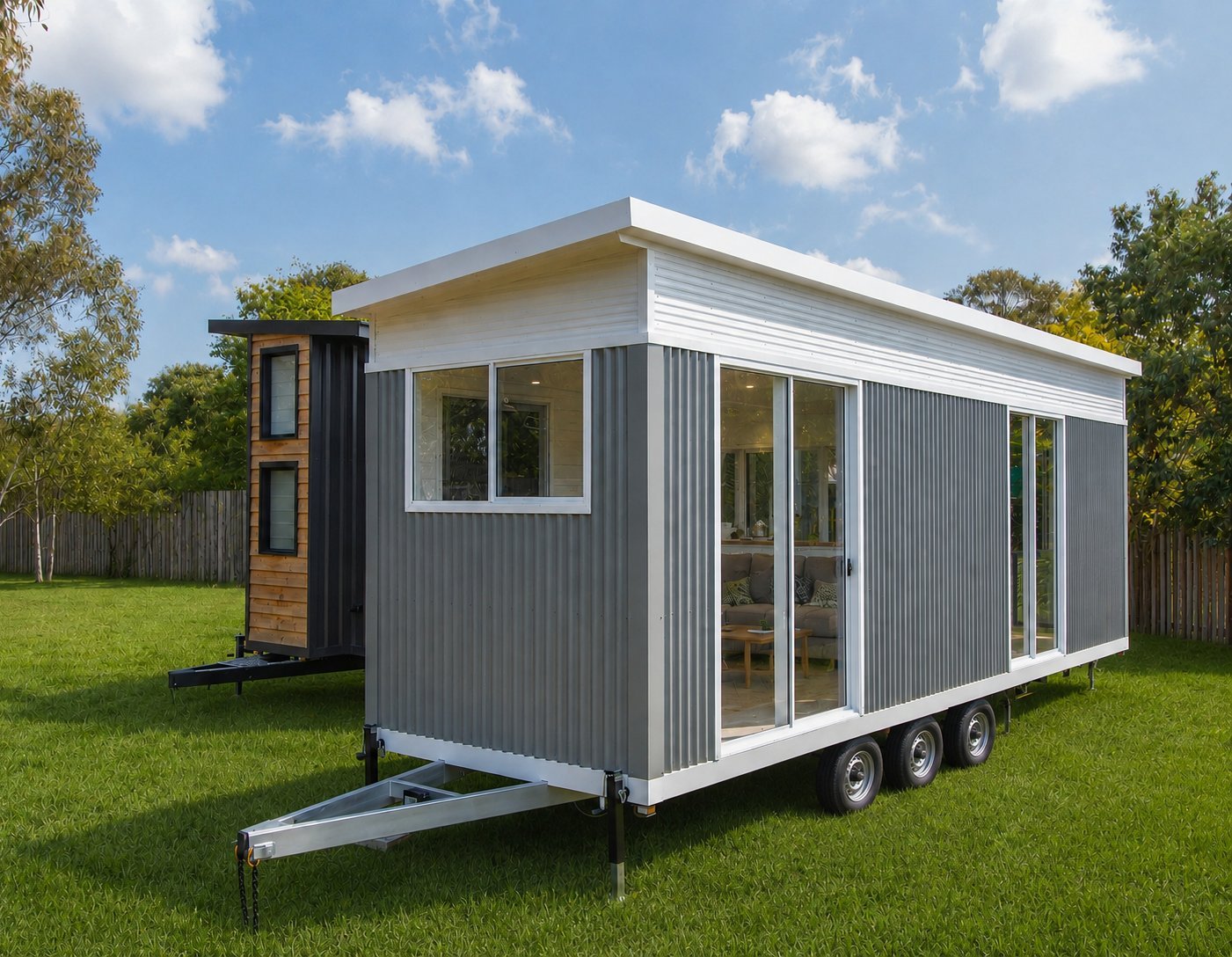
If you need extra accommodation on your property, you've probably weighed up a traditional granny flat against a tiny home on wheels. Both work — but they solve the problem in very different ways. Here's a practical comparison.
A traditional granny flat
A granny flat is a fixed secondary dwelling built on your land. It's permanent, connected to services, and becomes part of the property. That permanence is its strength — but it also means council approval, site works and a build that stays put.
A tiny home on wheels
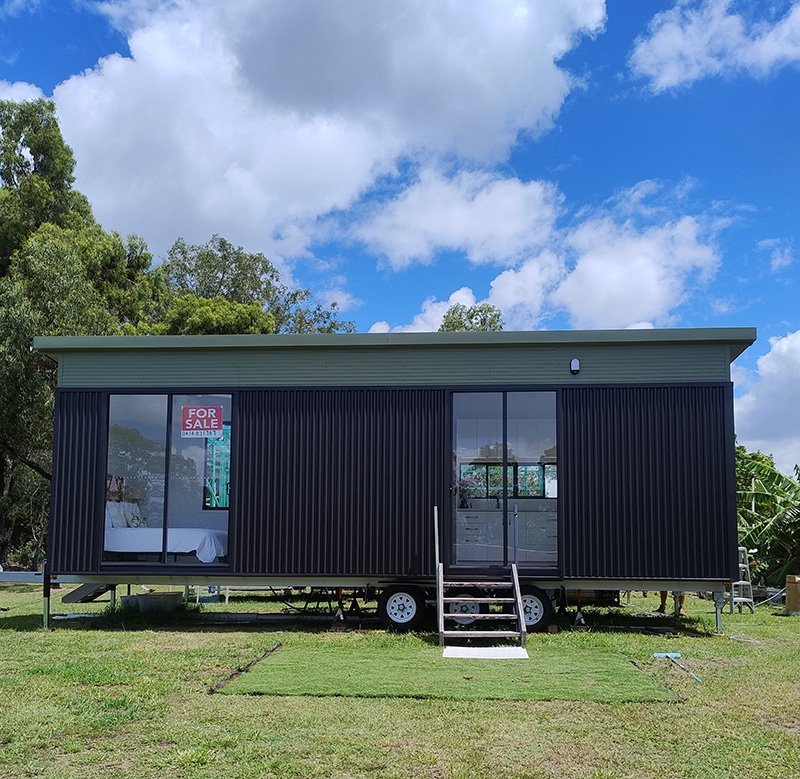
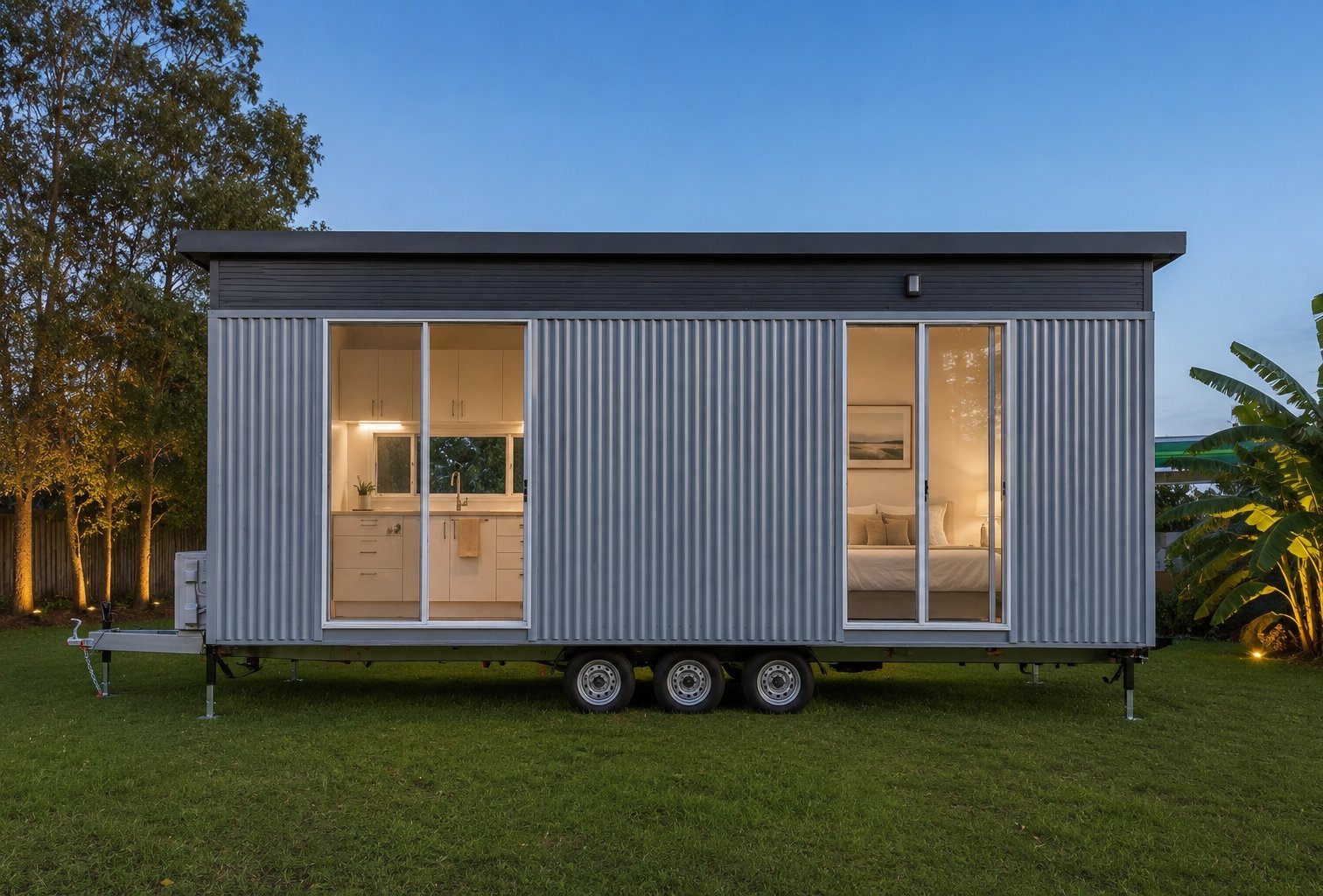
A tiny home on wheels does a similar job, but it's built on a registered trailer and stays moveable. That opens up a few advantages:
- Flexibility: if your needs change or you move, the home can come with you.
- Lower site preparation: no large slab or extensive foundations.
- Simpler pathways in some cases: a home on wheels is often treated differently to a permanent building — though this varies by council.
- It stays an asset: because it's transportable, it can potentially be sold separately from the land.
Which should you choose?
If you want a permanent addition to your property and don't plan to move it, a fixed dwelling may suit. If you value flexibility, faster setup and the option to relocate later, a tiny home on wheels is hard to beat.
Either way, what's allowed depends on your council, your zoning, and whether there's already a dwelling on the property.
General information only — not legal or planning advice. Always check requirements with your local council.
Not sure which fits your block? Talk to Big Coast Tiny Homes and we'll help you think it through.